

2022 WINNERS
.
2022 WINNERS .
These past winners were all students who showed unusual initiative and creativity in solving problems.
The scholarship program welcomes applicants who demonstrate creativity in any field.

-
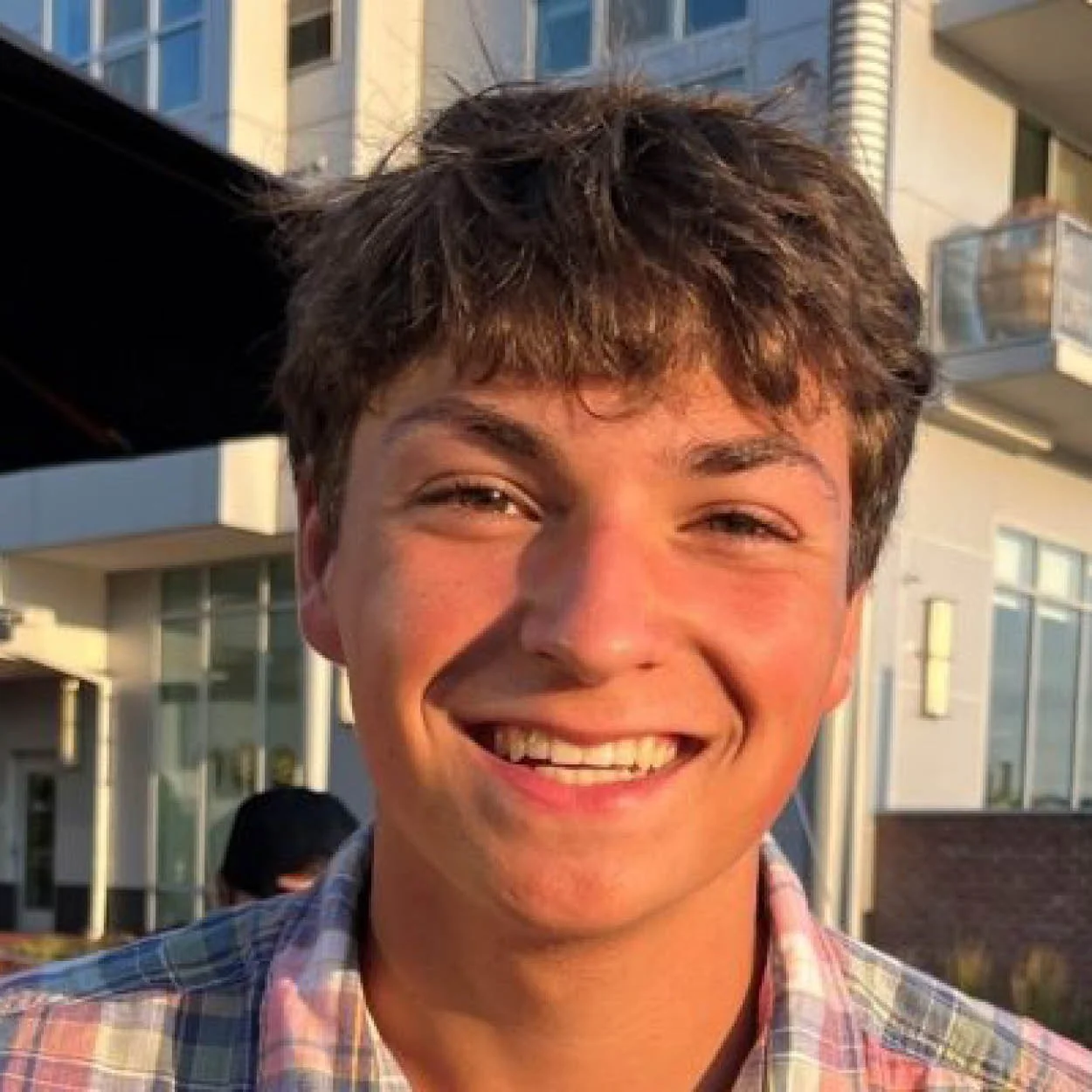
Mason Beaudette
2022 WINNER
Amity Regional High School, Woodbridge
An aspiring pilot, Mason was concerned about the incidence of controlled flight into terrain (CFIT) in small aircraft such as private helicopters. Though large aircraft have complex sensory systems to help navigate in instances where special awareness is compromised, Mason devised a ground collision avoidance system (GCAS) that can be added to any small aircraft in which CFIT accidents can be identified before they happen while also providing pilots with important instantaneous flight telemetry. His system is smaller and more affordable than those installed on large aircraft and can be retrofitted to nearly any small aircraft. Mason plans to attend Embry-Riddle Aeronautical University and major in Aeronautical Science and Homeland Security.
-
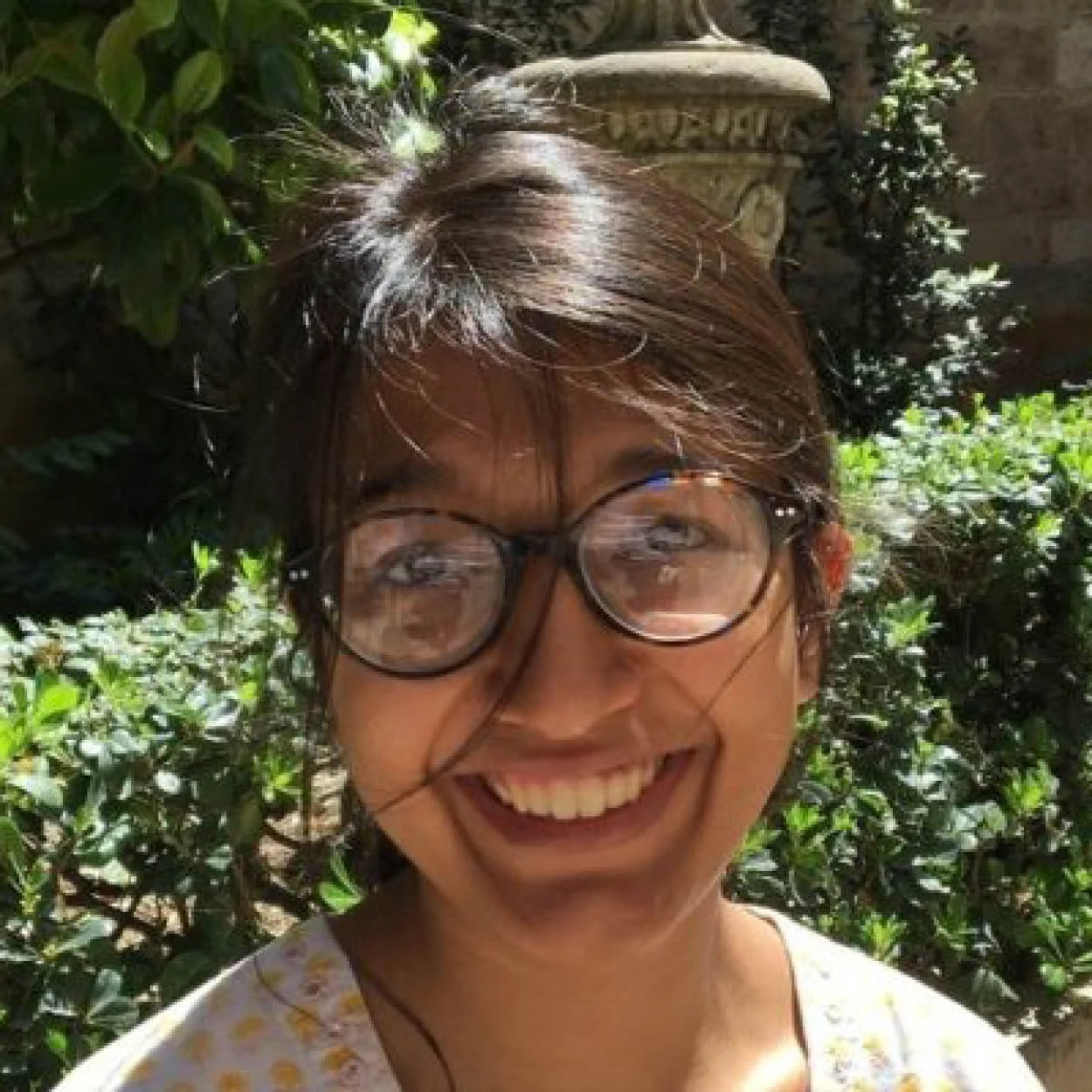
Aruna Das
2022 WINNER
Hunter College High School, New York
Fascinated by the question of how life originated on Earth and possibly elsewhere, Aruna is looking to meteorites to find some answers. Since meteorites can be as old as the solar system and remain largely unchanged since their formation, analyzing them offers snapshots into the historical record. However, very few meteorites have been located after observing and tracking their parent meteor due to fact that current recovery networks only use optical and radio-based detection methods which can be hampered by bad weather. Knowing that meteors can be detected in our atmosphere using multiple wavelengths, including not only optical and radio but also infrared and infrasound, Aruna designed a meteorite-recovery network that crowdsources data in multiple wavelengths. Aruna plans to attend Columbia College in the City of New York and major in astrophysics.
-
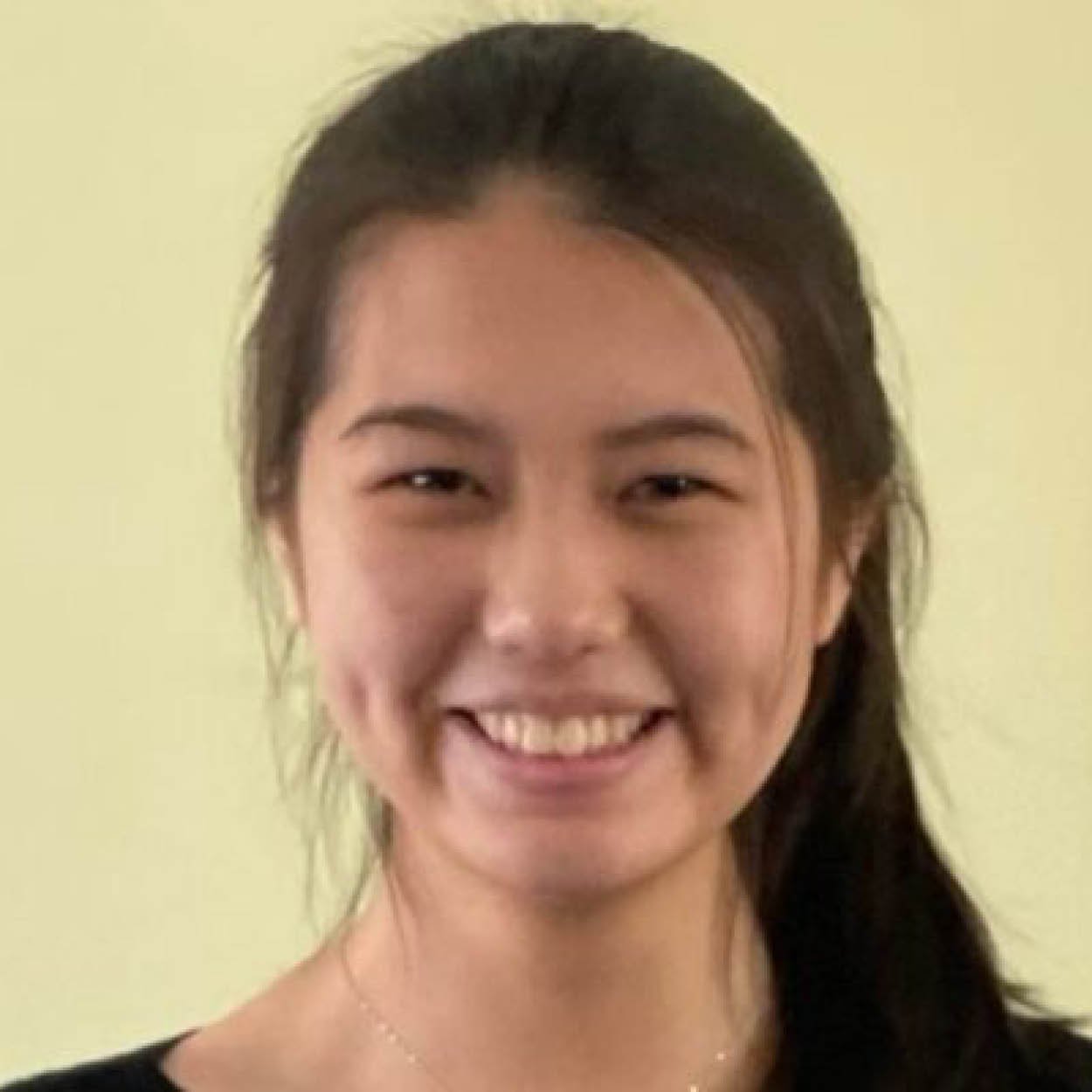
Victoria Li
2022 WINNER
Hunter College High School, New York
Victoria designed a machine learning model, which she calls CROTON, that predicts CRISPR/Cas9 editing outcomes. Previously, gene editing outcome predictions relied on manual feature engineering, however with CROTON, Victoria discovered that specific nucleotide sequences play a significant role on the effectiveness of gene editing procedures and that these vary across ethnic or racial backgrounds. CROTON offers great promise for the future of gene therapy—both in efficacy and equity. Victoria will major in computer science and history at Harvard University.
-
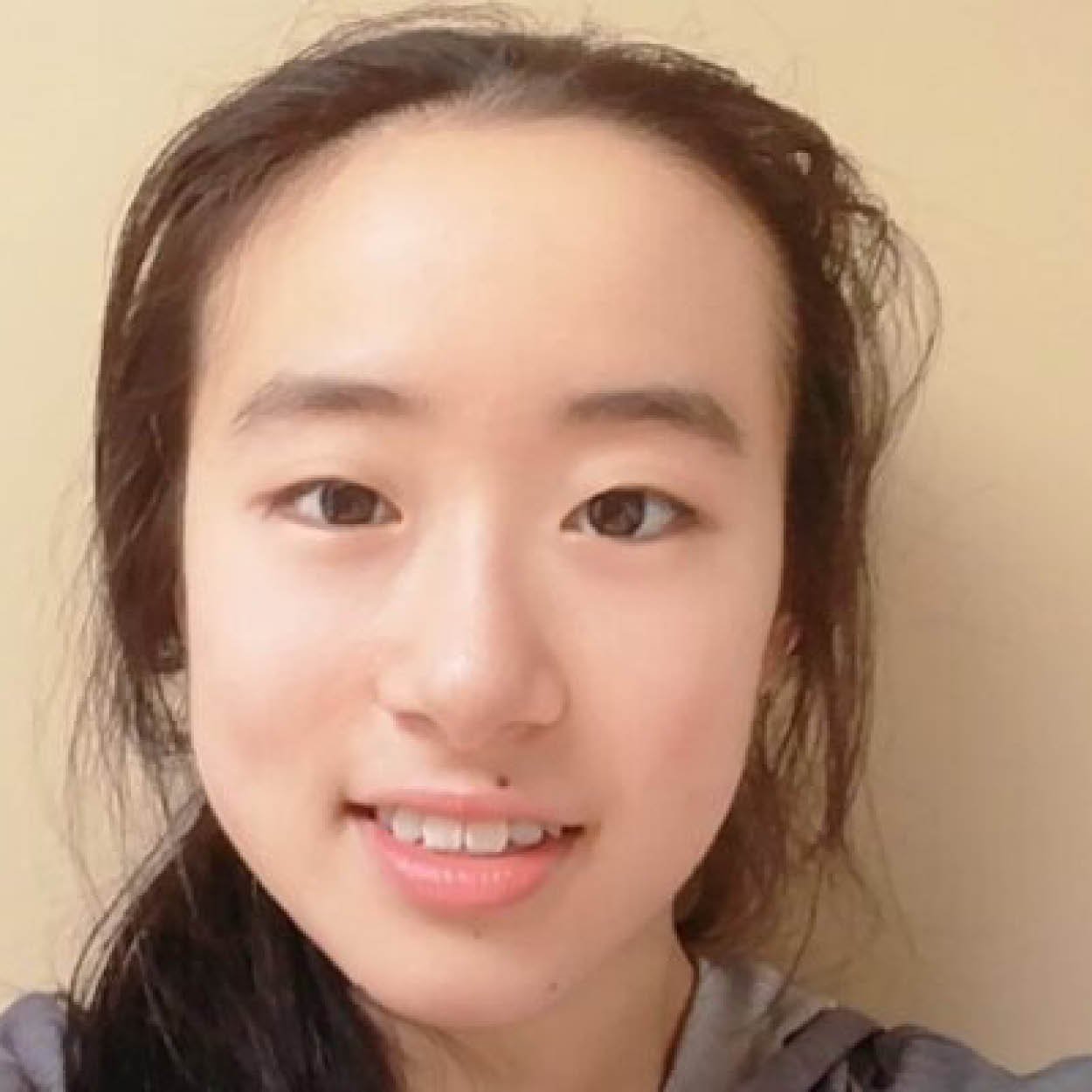
Melinda Lu
2022 WINNER
Amity Regional High School, Woodbridge
As 50% of people over the age of 85 develops symptoms of Alzheimer’s Disease, Melinda researched ways to use white matter instead of grey matter scans in early detection of Alzheimer’s, because according to her research white matter is affected before grey matter. The earlier AD is detected, the more effectively it can be managed with drug treatments that prevent increase of amyloid beta and tau biomarkers, before symptoms arise. She is of the first to use diffusion tensor imagining (DTI) to measure water movement through white matter in the brain. DTI gives information about the shape of the white matter tracts, namely the cingulum frontal parietal tract that passes through the medial temporal lobes, which can show degradation. These findings can help identify AD earlier that current grey matter imaging that is the standard. Melinda intends to pursue a degree in neuroscience.
-
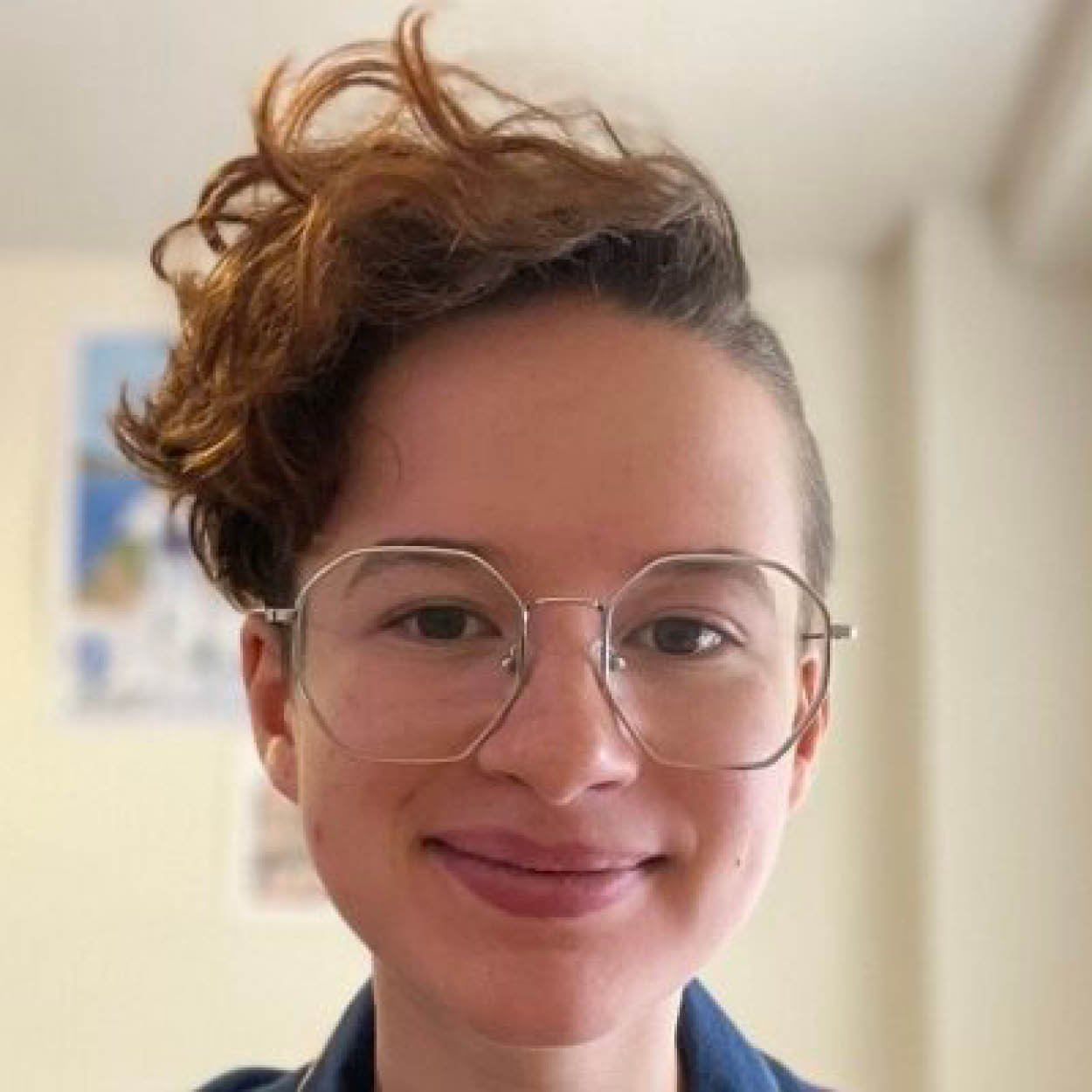
Olivia Pollock
2022 WINNER
Pelham Memorial High School, New York
When the grocery store in Olivia’s hometown switched from plastic bags to paper at check-out, and public opinion was mixed about which bag was more harmful to the environment, they started wondering if there was a plastic bag capable of dissolving in water and biodegrading. Olivia successfully used fucose and citric acid to develop a water-soluble, non-toxic compound. Fucose is a monosaccharide found within the cell walls of most microalgae, so its reintroduction to aquatic ecosystems is not invasive. Citric acid is found within most citrus fruits and has been studied to be both a natural plasticizer and ductile base. Olivia will attend the University of Pittsburgh as a neuroscience major.
-
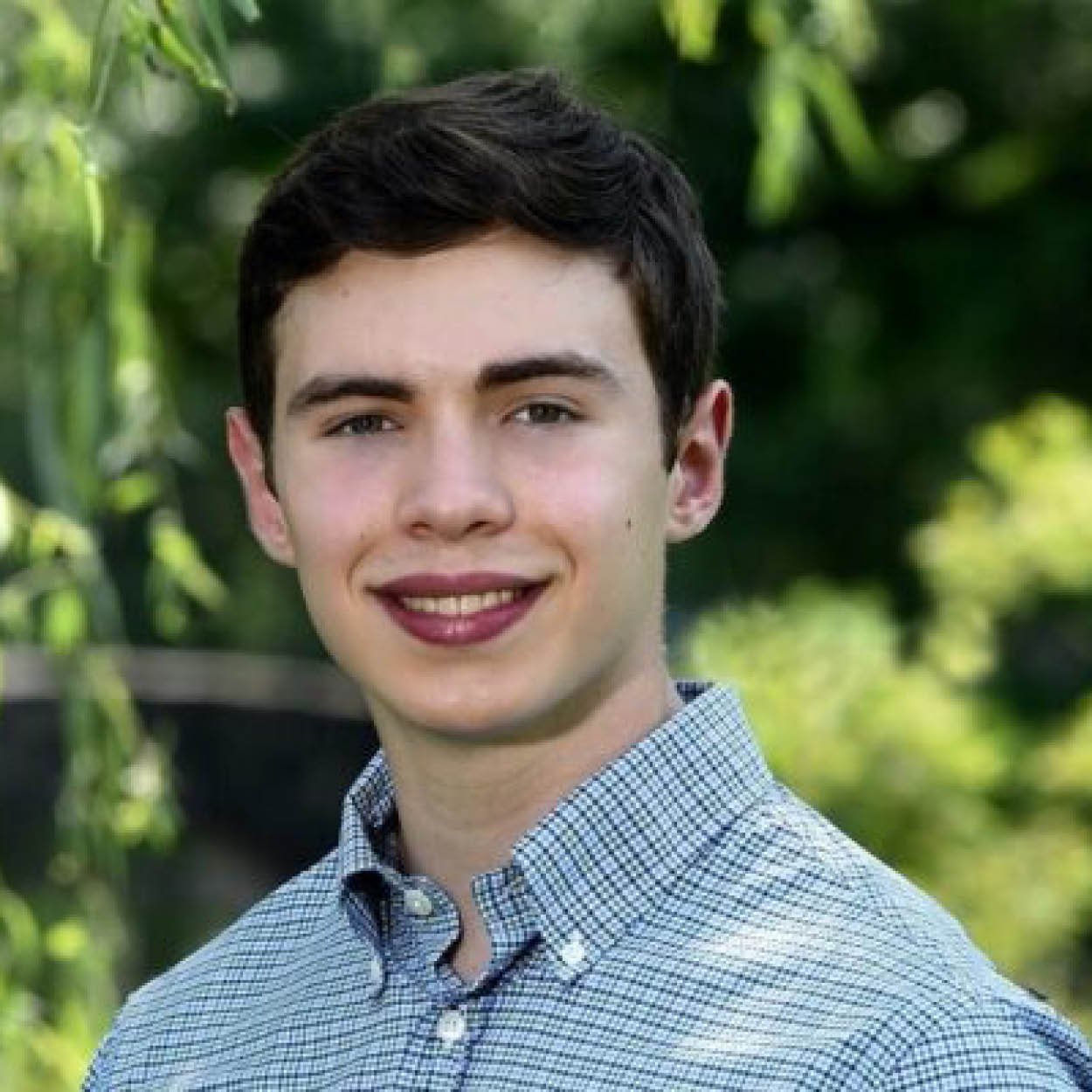
John Russell
2022 WINNER
King School, Stamford
Concerned with the issue of global warming and carbon emissions and dissatisfied with the inability to do anything but slow the increase in greenhouse gases, John devised a way to isolate carbon from the ocean. His machine would combat acidification due to increased CO2 that endangers aquatic life. His electrochemical flow cell captures soluble carbon from the ocean, rendering it insoluble in bricks, thus allowing for carbon-negative results capable of offsetting continuing emissions by processes reliant on non-renewable energy. John will major in Chemistry and minor in Computer Science at Harvard University.
-
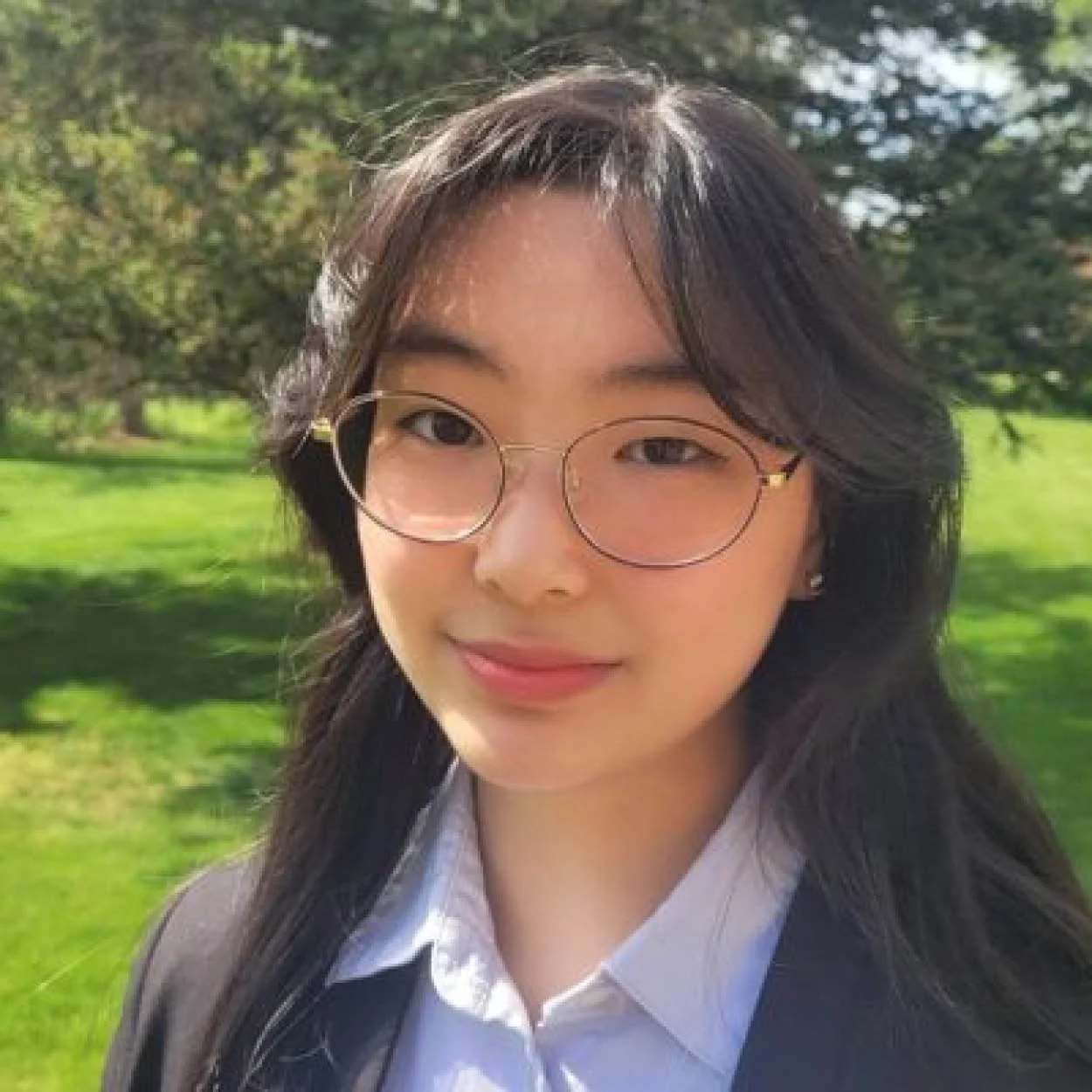
Emily Shaw
2022 WINNER
West Essex High School, North Caldwell, NJ
Realizing that heating and hot water account for a significant percentage of greenhouse gas emissions, Emily was determined to look for a solution to prevent energy loss from poor insulation, On her quest to find the best insulation material, she and her sister formulated their own cellulose insulation made from recycled corrugated cardboard and their proprietary ratio of liquid boric acid, sodium tetraborate, and a surfactant to make it non-toxic, non-flammable, and impervious to vermin and mildew. They recently received a provisional patent for their insulation from the U.S. Patent and Trademark Office, and founded their own company called UpCycle Insulation. Next summer, UpCycle Insulation will partner with a paper recycling plant in Jersey City to test manufacture at scale to reduce all-in costs to less than $1 per 30lb bag. In addition, they are in discussion with Habitat for Humanity to provide UpCycle Insulation at cost in exchange for real-world user feedback. Emily plans to attend University of Pennsylvania and major in business.
-
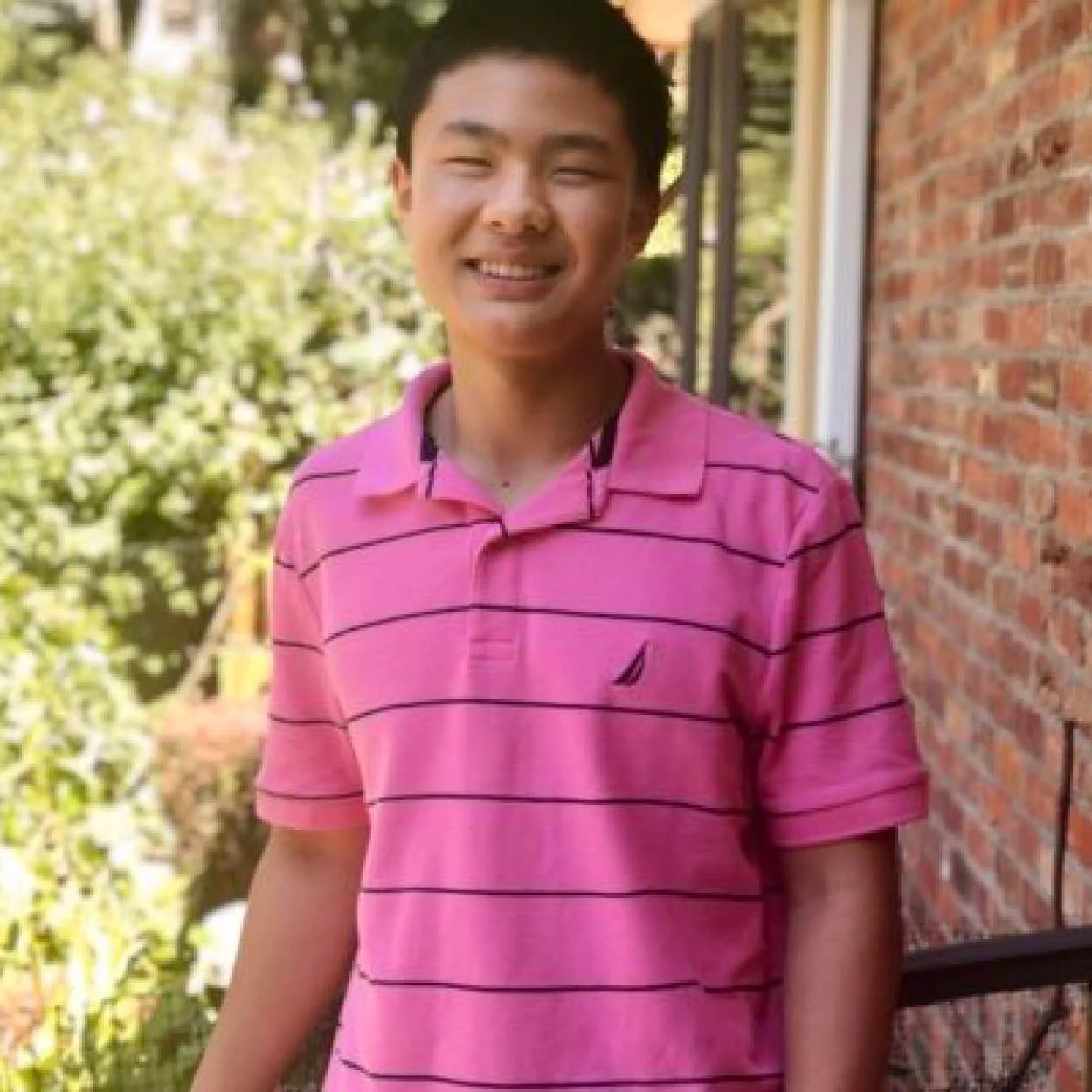
Jason Starr
2022 WINNER
Briarcliff High School, Briarcliff Manor
Witness to the political disagreements arising from blanket-policy in entire states/countries during the COVID-19 pandemic, Jason created a disease model to simulate spread based on local community population variation rather than on a country or statewide generalized scale. After researching the differences among the Social Determinants of Health (SDoH) in many localities, his model was more able to predict disease spread outcomes in particular locales, accounting for inequities among them. While his research was predominantly with COVID-19 and developing the agent-based model for that disease, if the specific constraints such as susceptibility, mortality rate, recovery time and incubation period on any disease are known, his model can calibrate these with age and racial factors as well as local population demographic composition, population racial clustering, area size, area transportation, vaccination ratio, interventions and compliance rate to simulate population-specific disease spread predictions. This area-specific risk assessment can be used by local governing boards to plan policy that optimizes functionality within acceptable risk confines, allowing for more targeted action that is best for the specific community. A rising senior, Jason intends to major in Public Health.
-
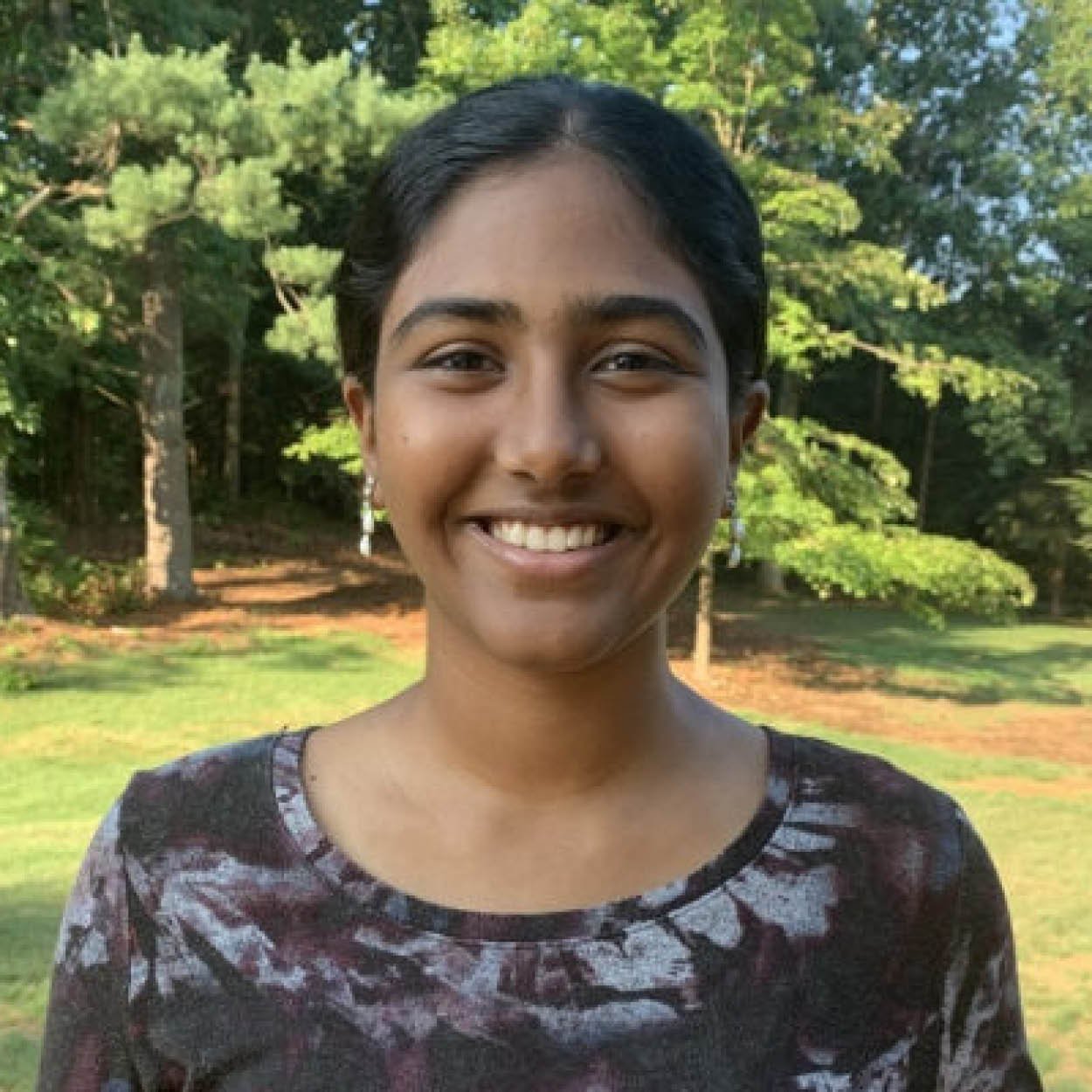
Sagarika Srinivasan
2022 WINNER
Cheshire High School, Cheshire
After a troubling discussion in her high school health class about the high annual death toll caused by drunk driving, Sagarika created VARNA, a device that immediately prompts a driver to check their own sobriety, providing them the opportunity to take a moment and make a more informed decision about getting behind the wheel. VARNA is connected to the driver’s side of a person’s vehicle and is dropped in front of a person when they sit in the drivers seat. It then automatically records their blood-alcohol level via a breathalyzer. If the person is over the limit, an alert is sent to a contact or contacts through a text message. Sagrika hopes that VARNA can help reduce drunk driving incidents and save lives. She is rising senior at Cheshire High School.